Substance use impacts people from all ages and walks of life. No matter your personal history with substance use, mental health concerns, trauma, and more – there’s never a wrong time to make a new path in your life.
Today we wanted to highlight just a few of the incredible alumni we have and share their stories.
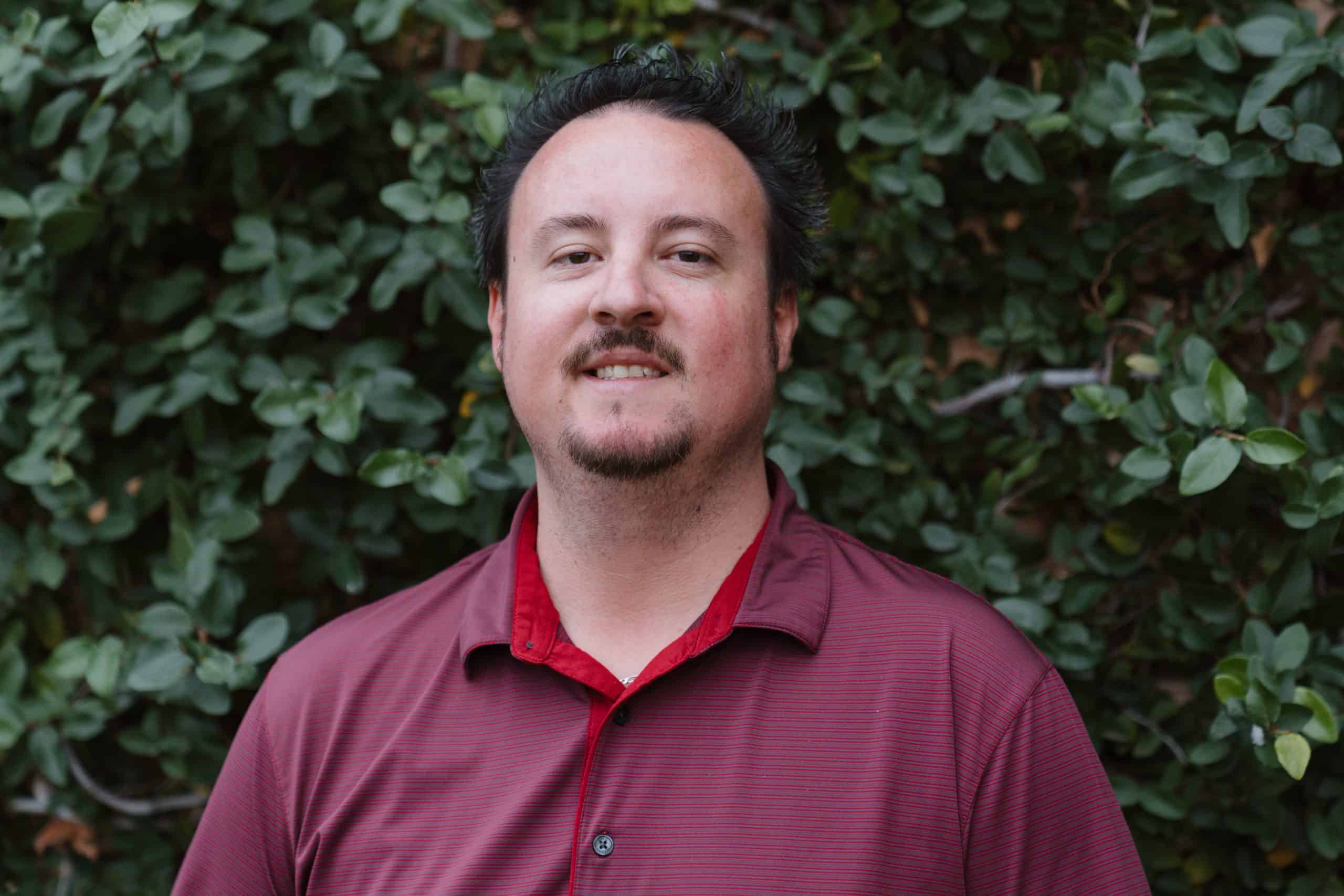
Tony's life before treatment was marked by frequent partying, where alcohol and other substances were often involved. However, this lifestyle gradually led to a pattern, costing $40 a day. He felt like the substances he took became more than a choice, they felt necessary for his day-to-day life. Tony faced numerous challenges due to his substance use, including health issues, a loss of trust from his friends, family, and employer, as well as legal troubles.
Tony's life before treatment was marked by frequent partying, where alcohol and other substances were often involved. However, this lifestyle gradually led to a pattern, costing $40 a day. He felt like the substances he took became more than a choice, they felt necessary for his day-to-day life. Tony faced numerous challenges due to his substance use, including health issues, a loss of trust from his friends, family, and employer, as well as legal troubles.
What really stopped him in his tracks, however, was the loss of his mother. It was then that his family intervened, helping him realize the path he was on. This pivotal moment led Tony to seek help and commit to a 90-day program at PPR.
Tony's experience at PPR was transformative. He engaged in individual and group counseling, embracing various therapeutic approaches. Music therapy and meditation/breathing exercises particularly resonated with him, offering new perspectives alongside the 12-step program. Despite the loss of freedom and separation from loved ones due to his substance use, he found strength in creating new support groups and actively participating in the recovery process.
Post-treatment, Tony's life has seen remarkable changes. He has rebuilt trust and relationships with his family, his health has improved, and the financial strain caused by his substance use has been lifted. He made a crucial career shift, moving from the restaurant industry to an office job, a change that supports his long-term recovery.
Tony maintains his sobriety by leaning on the support groups formed during his time at PPR, attending meetings regularly, and practicing honesty in all aspects of his life. He faces potential triggers head-on, acknowledging and confronting them with newfound resilience.
Family has also been a cornerstone of Tony's recovery, providing unwavering support and strength, reminding him of the importance of continuous fighting and growth in his journey of long-term recovery.
Tony's advice for those managing substance use disorders and mental health concerns is to "trust the process and fully immerse yourself. When you're at the bottom, the only way is forward and up. Believe in your strength and courage to achieve sobriety." He reflects on the importance of overcoming bad days and embracing life's challenges.
Tony finds inspiration in the words of the Dalai Lama: “There are only two days in the year that nothing can be done. One is called yesterday and the other is called tomorrow. Today is the right day to love, believe, do, and mostly live.” This quote reflects his philosophy of staying present and mindful in every moment.

Abigail's journey into substance use began at a young age. Living independently since 16, she was kicked out of her parents' homes due to alcohol and drug use. Her life spiraled into instability, leading to a period of homelessness and entanglement with the legal system, including facing multiple felonies and jail time. Despite efforts to better her life, Abigail found it difficult to stop drinking and smoking weed.
Abigail's journey into substance use began at a young age. Living independently since 16, she was kicked out of her parents' homes due to alcohol and drug use. Her life spiraled into instability, leading to a period of homelessness and entanglement with the legal system, including facing multiple felonies and jail time. Despite efforts to better her life, Abigail found it difficult to stop drinking and smoking weed.
Substance use eroded Abigail's self-esteem, honesty, and ability to form healthy relationships. Her motivation waned, casting a shadow over her personal and professional life. These patterns nearly destroyed her marriage and business, and risked the wellbeing of her infant son.
The turning point came after Abigail's third relapse following the birth of her son. Her husband, deeply concerned, reached out to friends who intervened and encouraged her to seek help. They helped her recognize that the path she was on was not reflective of her true self.
Abigail's treatment at PPR was a journey of self-discovery and healing. She participated in various support groups (DARMA, AA, CA) and found strength in yoga, meditation, breathing practices, and sound healing. Sound healing, one-on-one therapy, and Big Book Study were particularly impactful in her recovery process.
The changes and lessons that came with inpatient treatment and separation from her family sometimes felt overwhelming, but she was empowered to continue forward through the support of staff, therapy, and journaling. Overall, Abigail's recovery was bolstered by the unwavering support of her husband, father, friends, the staff at PPR, her sponsor Ally, and the friends she made during her treatment and meetings.
Since completing her treatment, Abigail has experienced profound life changes. Her relationships have improved, marked by increased communication and honesty. She found success in her business and became more present and intentional with her son. Leaving a stressful job and adopting a healthier lifestyle, including regular gym sessions, has contributed to her overall well-being. She has also built a network of friends in recovery to share experiences and support.
Abigail continues her recovery journey by communicating with her husband, reaching out to friends in recovery, attending meetings, and practicing self-care. She finds peace in activities like reading and going to the gym, which help calm her mind.
Abigail advises those who want to step away from substance use to choose themselves first, emphasizing that the hardest part is starting the journey. She encourages others by reminding them that they are not alone and that recovery is achievable.
She wishes she had understood earlier the importance of being patient with oneself, acknowledging that healing and change take time and the journey continues even after treatment.
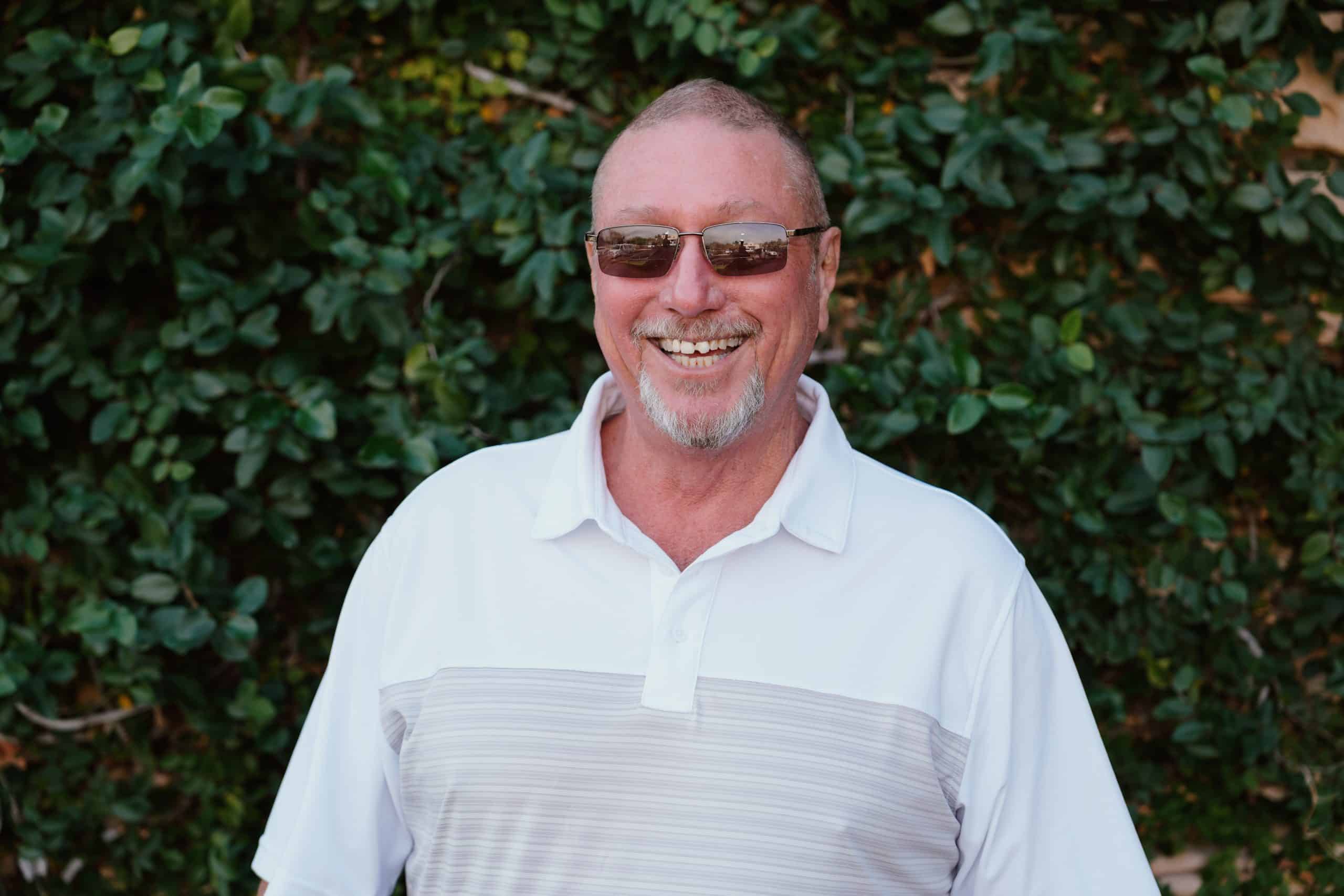
With over 40 years in the automobile business, Bob Lackner's life was as fast-paced as the industry he thrived in. However, this need for speed spilled over into other aspects of life, contributing to a lifetime of alcohol abuse, often mixed with cocaine and other drugs. This destructive lifestyle ended up taking a toll on both his family life and career.
With over 40 years in the automobile business, Bob Lackner's life was as fast-paced as the industry he thrived in. However, this need for speed spilled over into other aspects of life, contributing to a lifetime of alcohol abuse, often mixed with cocaine and other drugs. This destructive lifestyle ended up taking a toll on both his family life and career.
The turning point for Bob came when his health took a dire turn — collapsing with a dangerously high blood pressure of 195/167. This critical moment led to a sequence of interventions: hospitalization, detox, and eventually, admission to Pinnacle Peak Recovery.
Bob's recovery journey was intensive, spanning five months with an additional week in detox. Meditation, yoga, and group therapy became cornerstones of his healing process. Although there were moments when he felt like giving up, the staff and fellow recovery members at Pinnacle Peak provided the necessary support and encouragement to persevere.
Post-treatment, Bob's life has seen remarkable improvements. His family life and work have transformed in ways that defy measurement. His health has rebounded to levels he hadn't experienced in years. Embracing a healthier lifestyle, Bob joined a health club and is actively engaged in maintaining his well-being. His continued connection with Pinnacle Peak and frequent attendance at meetings are testaments to his commitment to sustained recovery.
Bob's advice to others who feel lost in their substance use is straightforward yet profound: seek help and fully commit to the recovery program. He emphasizes the importance of using every available resource to prevent relapse and advocates for maintaining a positive attitude, even if it initially feels forced, as it eventually becomes a natural part of one's mindset.
Looking back, Bob wishes he had sought treatment much earlier. He acknowledges the fallacy of the "Don't worry, I got this" attitude, recognizing the importance of accepting help and the reality that recovery is a journey best navigated with support.
Even though we only highlighted three people today, our dedicated team here at Pinnacle Peak helps others every day.
As a team driven by clinical excellence and compassionate care, we will work with you to help you find the right treatment plan for your recovery needs. We understand that no program should be one-size-fits-all and will guide you through our many evidence-based practices to set you up for long-term success.