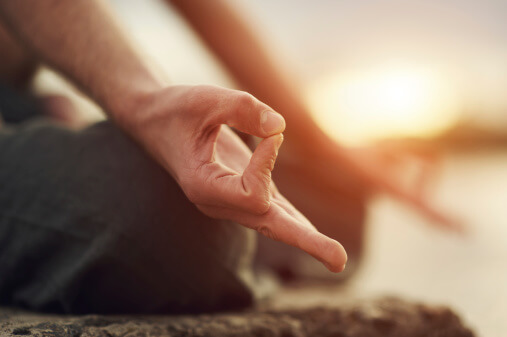
You’ve probably heard about meditation. Maybe you have even tried it. Whether you have or haven’t, it’s more than just sitting still and thinking about nothing, and it’s not as easy as some might think.
So how exactly does this process help with substance use disorders and mental health conditions?
Many who are seeking healing from substance use and mental health conditions have found that with the proper training, meditation can actually be very beneficial for cultivating a life of recovery. You may be glad to discover that it doesn’t have to be a rigid practice of sitting in an uncomfortable posture while trying to grasp inner peace. In fact, there are many types that you can try until you find one that resonates with you.
Use this guide to get a better understanding of how meditation for recovery can be a daily practice that changes your life. Pinnacle Peak Recovery in Scottsdale, Arizona, can help you make the positive changes you need for a healthy lifestyle.
Programs run by masters level clinicians and therapists
Backed by the Pinnacle Peak Recovery Guarantee
Major insurance accepted with fast verification
Joint Commission accredited and recognized by NAATP
Content medically reviewed by our clinical director
Call now to speak with our team.
You're not alone in this. In 2023, over 600,000 Arizona residents had a co-occuring substance use disorder and mental health condition.
Meditation is a set of techniques that can help you reach a better state of awareness and focus. Cultures from all over the world have practiced it for centuries. Many religions use it as a way to connect with a higher power and achieve enlightenment. Of course, you do not need to be religious to practice it. All you need is an open mind and willingness to try something new to create positive change in your life.
Both substance use and mental health conditions are complex and stem from a variety of factors. Family history, social stigma, and brain chemistry all play a role. Unfortunately, there is no one-size-fits-all approach to recovery. In fact, the best holistic treatment centers use a variety of therapies to address the underlying factors that can contribute to both substance use and mental health conditions.
There is no doubt that traditional talk therapies like cognitive behavioral therapy and individual counseling play a crucial role in healing. Many people have also found that holistic approaches to healing like yoga, fitness, and meditation are helpful in restoring balance in life and staying engaged in treatment.
On the surface, it may seem like an easy skill to learn. Just sit in a comfortable position, breathe, and then reap the benefits. Unfortunately, it’s not always that easy. In fact, in these modern times, our brains seem wired to be constantly thinking. Taking some time to breathe and clear the mind may not only be difficult at first, it can also be uncomfortable. We’re not used to simply settling into the moment and letting go of any thoughts, emotions, and distractions.
This is especially true for someone looking to step away from substance use or heal from their trauma or mental health condition. All of these conditions lead to changes in routine, obsessive thoughts, emotional unrest, and more. Breaking the habits developed by these conditions can be daunting. It’s easier for the brain to return to what it knows, even if that thing is hurting it.
Meditation helps break this destructive pattern of thoughts and behaviors by allowing you to be more self-aware and accepting of the present moment. Those in treatment often find these classes or therapy sessions to be difficult at first. With practice, they begin to see how it changes the way they see themselves and the world around them.
Therapists use various techniques based on an individual’s personal beliefs, goals, and preferences. If someone has difficulty engaging in a certain type, the therapist will troubleshoot and find another technique that resonates better with the individual.
You may be surprised just how powerful meditation is for helping your recovery. It offers several benefits during the initial phase of your recovery and well into the long term. Consider these benefits:
Self-acceptance. Many people constantly focus on wanting more out of life instead of being happy with what they already have. It can help you to accept who you are despite limitations, shortcomings, and situations. This acceptance decreases your urge to want more and helps you to become more appreciative of what you have.
Awareness of your mind and body. Substance use, trauma, and other mental health conditions create an imbalance in the mind-body connection. They change the way the brain and body function. Meditation can help you understand how your condition has affected the balance you need for lasting recovery.
Reducing cravings and changing habits. Those seeking recovery from substance use often have cravings that can feel like an obstacle to healing. However, even those who are seeking healing for their mental health can also benefit from this component of meditation. Cravings are similar to breaking a habit that develops because of a mental health condition, like self-harm or self-deprecating humor as one example. Meditation allows a space for you to truly analyze the source of your cravings and habits and find a better outlet for managing them.
Becoming more compassionate towards yourself and others. Relearning empathy, both for yourself and towards others, is a big part of the healing process. Substance use and mental health conditions alike can wreak havoc on how we perceive ourselves and our loved ones. It can make it hard to see the positive or to even empathize with others. Meditation teaches you how to recognize the good in yourself and others and feel that connection once more.
Becoming less reactive to stressors and triggers. Too often we are onslaught with intense thoughts and emotions each day. Through regular practice, we realize these difficult emotions are fleeting and don’t hold the power over our choices. They are not us, they just pass through us.
Giving you a chance to let go. Life can be very stressful. The things you’ve been through may be weighing on you. Memories of the past may haunt you. You are probably even scared of what your future will be like. Meditation can help you let go of all these worries and unpleasant feelings. There are specific types you can learn to help let go of troubling memories or anything else burdening you. By practicing routinely, you’re training your brain to approach these issues in a different way.
If you are interested in learning meditation for recovery, there are several types available. With some trial and error, you can find one that helps you in the areas of your life you need it most. Here are some types that have helped people just like you during their healing journey:
One of the most common forms of meditation for healing involves mindfulness. This is simply gaining an awareness of the present moment. If you are not focused on the present, you may be too wrapped up in your own habitual thought processes. If you focus too much on the past, it can be depressing. Conversely, if you focus too much on the future, it can cause anxiety. Those that practice mindfulness gain an understanding of the importance of the present moment.
Mindfulness often involves using the breath as an anchor. Those participating are encouraged to take the time to focus on their breath. There’s no wrong way to do this. Some people pay attention to the sensations caused by breathing while others might find the action of counting their breaths to be relaxing. This is the first step of the process.
When a thought or emotion distracts from this practice, this is where the next step begins. The person is encouraged to acknowledge the distraction without judgment and let it pass. It may not be easy at first. With continued practice you'll begin to realize your troubling thoughts and emotions are not you: they are just passing discomfort.
Too often, our thoughts and emotions are so overwhelming that it’s hard to see beyond them. This is especially true for those overcoming a substance use disorder, trauma, or mental health condition. Mantra meditation provides an opportunity to detach from these thoughts and refocus.
A mantra is a simple phrase repeated while meditating. While some have origins from various religious practices, you can also create your own mantra based on your goals for a session. For example, if you struggle with anger issues, you can sit down and quietly focus on a phrase like, “I am calm,” or “I am in control.”
The more you practice, the more the messages become ingrained in your mind. Mantras can be a powerful way to rewire your thought processes and reach new strides in personal growth.
Loving kindness meditation gives you a chance to reconnect with the positive emotions associated with giving love and being compassionate to others. You focus on different people in your life and give them love and compassion. At first you start with someone you truly love. As the practice continues, you start focusing on those that cause you difficulty. While it may be hard, you slowly learn that both you and everyone around you is worthy of giving and receiving love and compassion.
Many individuals dealing with substance use or mental health conditions often lose sight of all the positive things in their life. One way to reshape this perspective is by practicing gratitude daily.
To explain it simply, gratitude encourages you to take time out of your busy day to focus on all the gifts you have in your life. It teaches you to appreciate the many things you may take for granted over the course of the day. By developing a gratitude practice, you develop a much healthier, fulfilling mindset where you actually enjoy everything in your life instead of wishing you had more or something else.
Not everyone benefits from sitting in one place and trying to clear their minds. Walking meditation is a great way to actively meditate. Think of the last time you took a walk. You probably weren’t aware of your steps or what was going on around you. Perhaps you were immersed in cluttered thoughts or distracted by your mobile device.
Taking a walk can be a great meditative exercise. By simply paying attention to each footfall, you get out of the constant loop of thoughts and appreciate each step of your walk. Some holistic treatment centers even have paths or gardens dedicated to this.
Meditation can change the brain and the body for the better.
Research has shown that it has lasting positive impacts on the body. People who meditate regularly often have lower blood pressure, better stress management skills, and the ability to focus more easily. In addition, those incorporating meditation into their daily routine have a better sense of well-being and are able to manage symptoms like anxiety, depression, and insomnia.
In fact, it can actually help change the structure of your brain. A recent study found long-term mindfulness meditation can result in connectivity changes that reduces degeneration of white matter in the brain. White matter has fibers and other substances that connect nerve cells, enabling these cells to function more effectively.



No matter your history with substance use or untreated mental health, there is a path forward towards happiness and healing. Our team at Pinnacle Peak is committed to your individual success through our evidence-based, customized treatment plans. We will work with you to find the right options for your long-term success.
You don't have to wait. Our expert team is here, ready with compassion and understanding to craft a healing plan for you. Take that first step and give us a call today, and you'll find long-term support the rest of the way.
Clinical Excellence | Compassionate Care | Family Feel