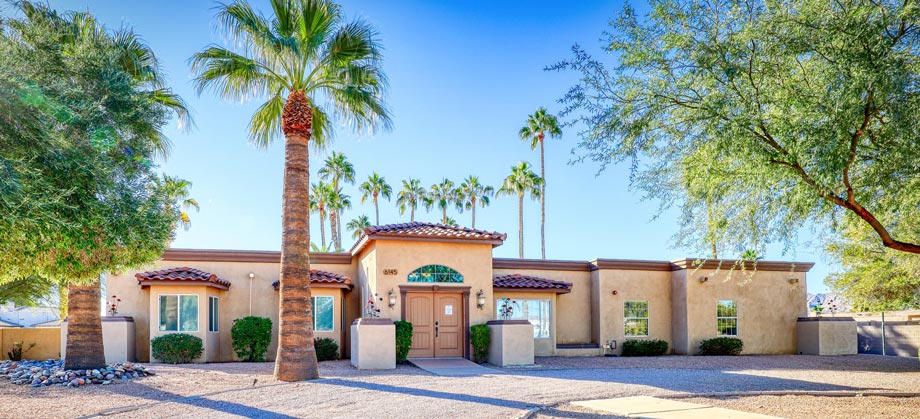
If you or someone you love is dealing with substance use, you don't have to figure out the next step alone. At Pinnacle Peak Recovery in Scottsdale, Arizona, we provide evidence-based, individualized treatment for a full range of substance use disorders alongside the co-occurring mental health conditions that so often drive them.
Our team is available around the clock, and our admissions team will help you understand your options and verify your insurance before you commit to anything.
In 2025, an estimated 69,973 people died from drug overdoses in the United States – and Arizona was among only a handful of states where overdose deaths actually increased during that same period.
Programs run by masters level clinicians and therapists
Backed by the Pinnacle Peak Recovery Guarantee
Major insurance accepted with fast verification
Joint Commission accredited and recognized by NAATP
Content medically reviewed by our clinical director
Call now to speak with our team.
At Pinnacle Peak Recovery, we provide treatment for a wide range of substance use disorders, including:
If you don't see your specific situation listed here, call us. Our clinical team works with a broad range of presentations, and the first conversation costs nothing.
Every client at Pinnacle Peak Recovery receives a treatment plan that is developed with their primary therapist in their first session, shaped around their specific history, needs, and goals.
The same primary therapist stays with you across every level of care, and the therapies we use include:
Care at Pinnacle Peak spans the full continuum, from medically supervised detox through inpatient treatment, PHP, IOP, outpatient rehab, and alumni programming.
Those living with addiction often face challenges in relationships and social situations due to negative thoughts, emotions, and behavioral patterns shaped by substance use. Cognitive behavioral therapy (CBT) helps you recognize these harmful thought patterns and understand how they contribute to your substance behaviors. Reframing these thoughts and developing healthier coping strategies leads to more positive and realistic choices, ultimately improving quality of life.
Dialectical behavior therapy (DBT) is an evidence-based approach that helps individuals manage intense emotions, reduce harmful behaviors, and develop healthier coping skills. It combines mindfulness, emotional regulation, and distress tolerance, which support long-term recovery. DBT is especially effective when both addiction and co-occurring mental health conditions are present, ensuring each condition is met with the proper care.
Brainspotting is a powerful therapeutic tool for treating addiction by helping to reset your memory of a traumatic event. It works by locating a spot on your body where you feel distress and focusing on a corresponding "brain spot" that your eyes fixate on during distress. Working with your therapist, you'll focus on this area to address the feelings that arise. Each session aims to provide mental and physical relief.
At Pinnacle Peak, we offer more than just traditional therapies and treatments. Individual and group therapies take place daily, ensuring you will have a connection with both your therapist and others who have similar experiences. We utilize trauma therapy, such as accelerated resolution therapy (ART), to address and heal from past situations. Besides traditional therapies, we utilize holistic approaches, including yoga, meditation, and expressive arts, to help you fully heal and recover from addiction.
Getting sober on your own is possible for some people. Staying that way – especially when substance use has been long-term, when there's a co-occurring mental health condition, or when previous attempts haven't held – is where professional support makes a measurable difference. Addiction changes brain chemistry in ways that take time and clinical support to address.
At Pinnacle Peak Recovery, the goal is not to just get through your detox and withdrawal. It is for us to help you understand what drove that use in the first place – then to build the tools for you to get well and stay that way while connecting you to a new community that will help make your long-term recovery feel possible.
Not everyone needs the same level of care – and one of the most important parts of getting started is making sure you're in the right program for where you are right now. At Pinnacle Peak Recovery, we offer the full continuum, so the level of care can match your clinical needs at every stage.
Medical Detox — 24-hour medically supervised stabilization for safe withdrawal from alcohol, opioids, benzodiazepines, and other substances
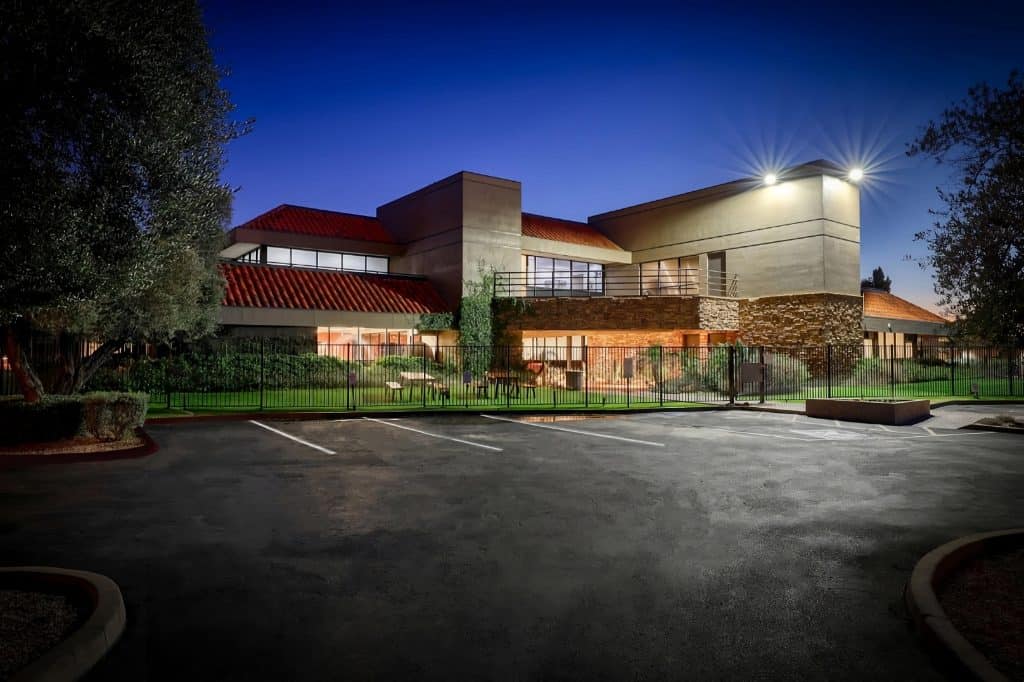
Inpatient Treatment — full-time, structured care on-site at our Scottsdale facility, removing you from triggers while the clinical work begins
Partial Hospitalization Program (PHP) — full-day programming five days a week, typically the first step after inpatient
Intensive Outpatient Program (IOP) — multiple therapy sessions per week with flexibility for work and family responsibilities
Outpatient Rehab — ongoing therapy as a step-down from higher levels of care
Supportive Housing — structured sober living to support the transition back into daily life
The same primary therapist follows you across every level. No starting over. No re-explaining your story to a new team.
Understanding the difference between inpatient and outpatient care is an important part of determining which treatment method will be best for your situation. There are benefits to both when it comes to getting treatment, so you or your loved one will need to consult with a specialist to determine which one will best help you on your journey to getting clean.
For those with a long history of substance use, an inpatient treatment program is usually the best option. The patient lives at the treatment facility and has a structured schedule that devotes the whole day to treatment and recovery. Inpatient programs also allow the patient to get away from any triggers that can occur in their home or workplace, allowing them to focus all their energy on recovery.
Individuals that benefit from outpatient treatment are those that typically don’t need as much structure while still living at home or in a sober living facility. In many cases, a person that starts in an inpatient facility will move on to outpatient care as they improve.
At Pinnacle Peak Recovery, there are several programs that cover various substance use types. Below are some programs available to individuals. The first step to recovery in many cases will be a trip the Pinnacle Peak Recovery Scottsdale detox center.
The first step in treating alcohol dependency is usually for the individual to go through a medical detox. This will allow the patient to safely stop drinking. When stable, they can move on to treatment in an inpatient or outpatient program.
The first step to treatment is detoxification. After that, the underlying reasons for use (such as trauma or depression) will be addressed. A holistic, whole-body approach is often used in combination with psychotherapy.
There are many therapy methods to help people recover from cocaine addiction. Some of these include individual therapy, group therapy, family therapy, and behavioral therapy. One or more of these programs will be recommended by a professional during the consultation process.
Treatment focuses on identifying the root of the issue or what prompted the use. Then, developing coping skills helps to avoid relapse in the future. We also incorporate healthy activities, such as exercise and meditation, to form new habits.
Crack cocaine is a chemically modified version of the cocaine drug that can be smoked. This crack is highly addictive and affects the central nervous system. Fortunately, there are various crack cocaine rehab programs that include detox, inpatient, and outpatient treatments to heal the mind, body, and spirit.
DXM, or dextromethorphan, is an opioid derivative found in many over-the-counter medications. It is usually used for colds and coughs but has the potential to become addictive. Prescription drug treatment programs are the best course of action for recovery.
Ecstasy is a common drug that can be addictive. Users experience a euphoric high after taking the drug, but there are many side effects and long-term issues that are caused by the drug. Individuals seeking to beat their addiction to ecstasy can visit a rehab center that specializes in this specific type of recovery for treatment.
Also known as gravel, this synthetic stimulant could be even more dangerous than meth. It causes erratic, aggressive behavior, which has caused it to become widely publicized. Detox followed by rehab and therapy is the best solution.
Fentanyl is an opioid that is 80-100 times much more potent than morphine. It is made use of to deal with severe pain or handle pain after surgery. We offer state-of-the-art treatment for fentanyl dependency. Every client we have is different, which suggests that they each receive unique treatment. Nonetheless, a lot of our customers start at the very same area: desire healing. We will start with detoxing all the fentanyl out of your system.
Some drugs that can change the way you perceive reality are known as hallucinogens. Users can suffer both long-term and short-term effects. Medications aren’t typically used to treat addiction to these types of drugs; behavioral and cognitive therapies are usually the most effective. A specialist can determine the best treatment route for each individual.
When an individual is addicted to heroin, they generally can’t go even a single day without it. To get off of heroin, many people need to use medication to help with detox. This is why medically-supervised detoxification is recommended for rehabilitation for heroin addictions. In addition, people in recovery need to receive therapy to develop the skills necessary to cope with and overcome their addiction.
An anesthetic sometimes used during surgery known to cause hallucinations. It is used recreationally for out-of-body experiences. Without a prescription and a doctor's supervision, even small doses can lead to life-threatening overdoses.
Also known as desomorphine, a narcotic, and a derivative of morphine. It is made with codeine and harsh chemicals such as paint thinner and hydraulic acid. This drug is highly addictive, like heroin, and requires an addiction treatment program for recovery.
It is commonly believed marijuana is not an addictive drug; however, this is far from the truth. Marijuana is one of the most popular and easily available drugs; many states have legalized marijuana recreationally. This availability often results in more people developing problems with addiction. Fortunately, people can seek out several treatments, including medication, counseling, and therapy, to help them break free from their addiction.
Meth is a dangerous, deadly, and addictive drug. People that are addicted and want to recover from their meth use can seek treatment through either inpatient, outpatient, or partial hospitalization care. Individuals can also attend therapy sessions to help them cope with the mental aspects of meth addiction.
This painkiller is typically prescribed but can easily turn into an addiction. When taken in large doses or with alcohol, this drug turns deadly. This should be handled with a supervised detox and treatment program.
Opioids are among the most used drugs and the cause of the opioid crisis. It is a class of drugs including hydrocodone, oxycodone, codeine, morphine, and fentanyl. Often used to treat short-term, intense pain, these drugs can form an addiction. Treatment includes evidence-based therapies and medications to reduce symptoms.
A very addictive narcotic, opium comes from a naturally occurring poppy seed pods, usually in central Asia. Our treatment includes therapy, inpatient rehab, outpatient programs, and relapse prevention.
Almost anyone can become addicted to prescription drugs. It is also one of the most challenging addictions to recognize because people often begin taking the pills as prescribed by their physician but eventually form an unhealthy dependency. The best way to recover from addiction to prescription drugs is through a rehab program that includes detox, inpatient, outpatient, and aftercare treatment.
Those suffering from addiction to synthetic cannabis can benefit from various holistic treatments. Exercise, meditation, yoga and even Tai Chi therapy are effective treatments for those seeking to overcome their addiction to synthetic marijuana.
When you’ve made the courageous decision to get help, the next step is finding a high-quality treatment center that meets all your needs. Unfortunately, not all rehab programs are effective, and some may not even help at all, but prefer to keep you at their center as long as your insurance continues to pay. Although this can sound discouraging, it is possible to determine whether a facility will help you by asking yourself, the staff, and possibly past patients a few questions.
The following types of questions may guide your search when choosing a rehab facility:
Every individual who deals with substance use and addiction is different, and their treatment should be customized to meet their current needs, goals, and interests. Our experts specialize in helping you determine what type of treatment program best suits your needs. With specialized care and the resources to help with all kinds of addiction, we can provide you with the best holistic care available in Arizona.
From rehab programs to drug addiction therapy to holistic approaches, Pinnacle Peak Recovery has the solution to best suit almost any issues that a patient might be facing. Our staff and therapists care about helping patients overcome their addictions and putting their struggles behind them in a safe and comfortable environment.

There is no universal way to measure treatment success – what matters is whether clients are staying healthy after treatment ends, maintaining the relationships and routines that support their recovery, and returning to the program if they need additional support.
At Pinnacle Peak Recovery, we track outcomes through our Proven Process, which shows that 70.30% of clients who completed the program reached at least one year of continuous sobriety. We also back our work with a formal treatment guarantee, and if you complete our program and don't remain stable after one year, you may return for 30 days of inpatient care at no additional cost.
Substance use disorders can make the future feel uncertain – but people recover from this every day, and the right support makes all the difference. At Pinnacle Peak Recovery in Scottsdale, you'll find evidence-based, accredited treatment that addresses the whole picture: the substance use, the mental health, the trauma, and the life waiting on the other side of recovery.
Whether this is your first time reaching out or you've been here before, our team meets you where you are. Our admissions team is available 24 hours a day, 7 days a week at (866) 377-4761. We'll answer your questions honestly, verify your insurance before you commit to anything, and help you understand what the first few days would look like. For answers to common questions before you call, visit our FAQ page.
Clinical Excellence | Compassionate Care | Family Feel